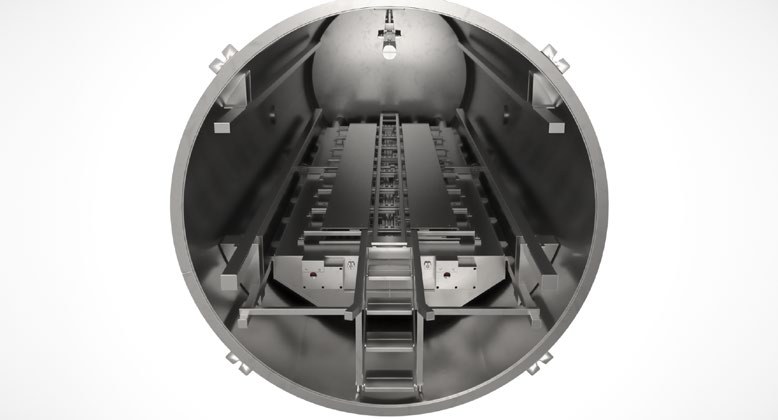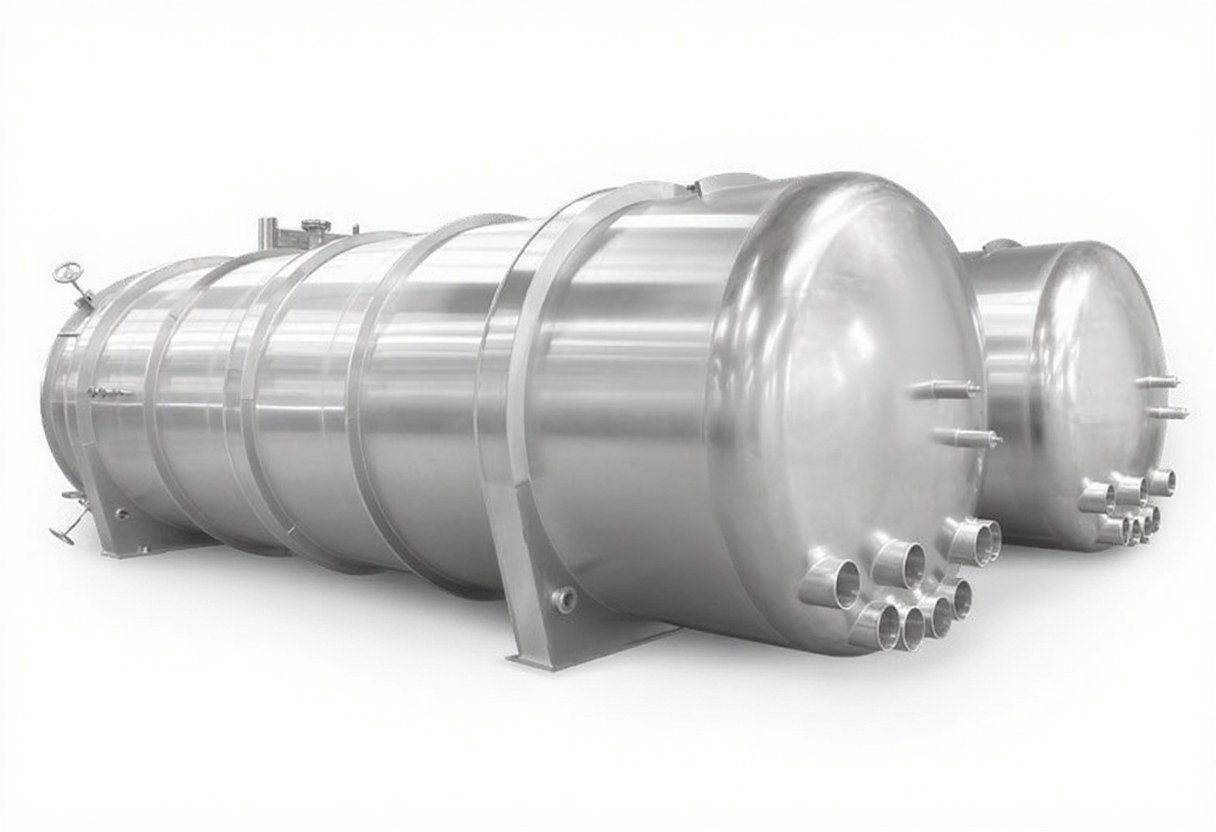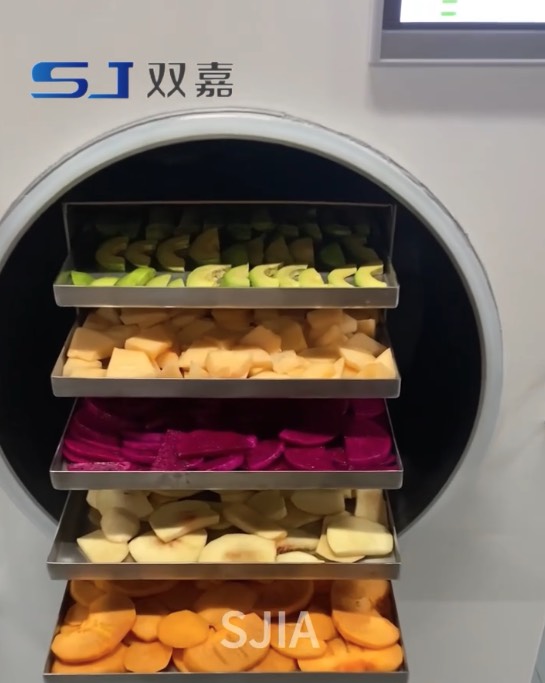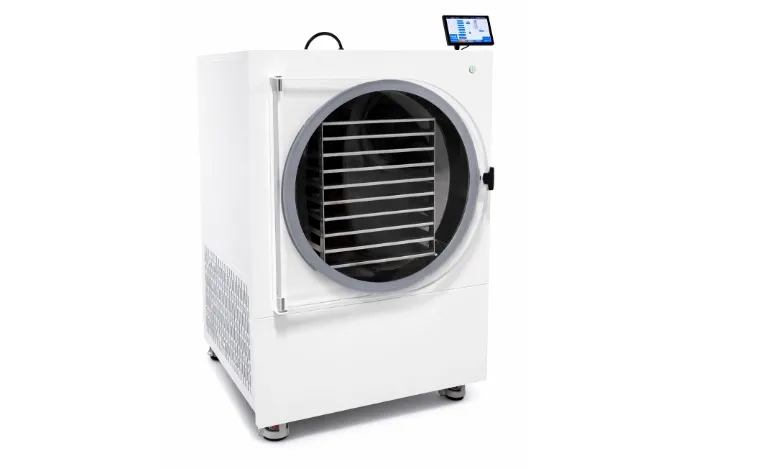
A public SJ-50H video shows bread being loaded into a commercial food freeze dryer. The verified platform reference is 4.98 m2 of usable tray area, 18 trays on nine shelf levels and a 50-70 kg-per-batch fresh-load reference. The footage does not establish the weight of the visible load, a cycle time, texture, moisture, nutrition or shelf life.
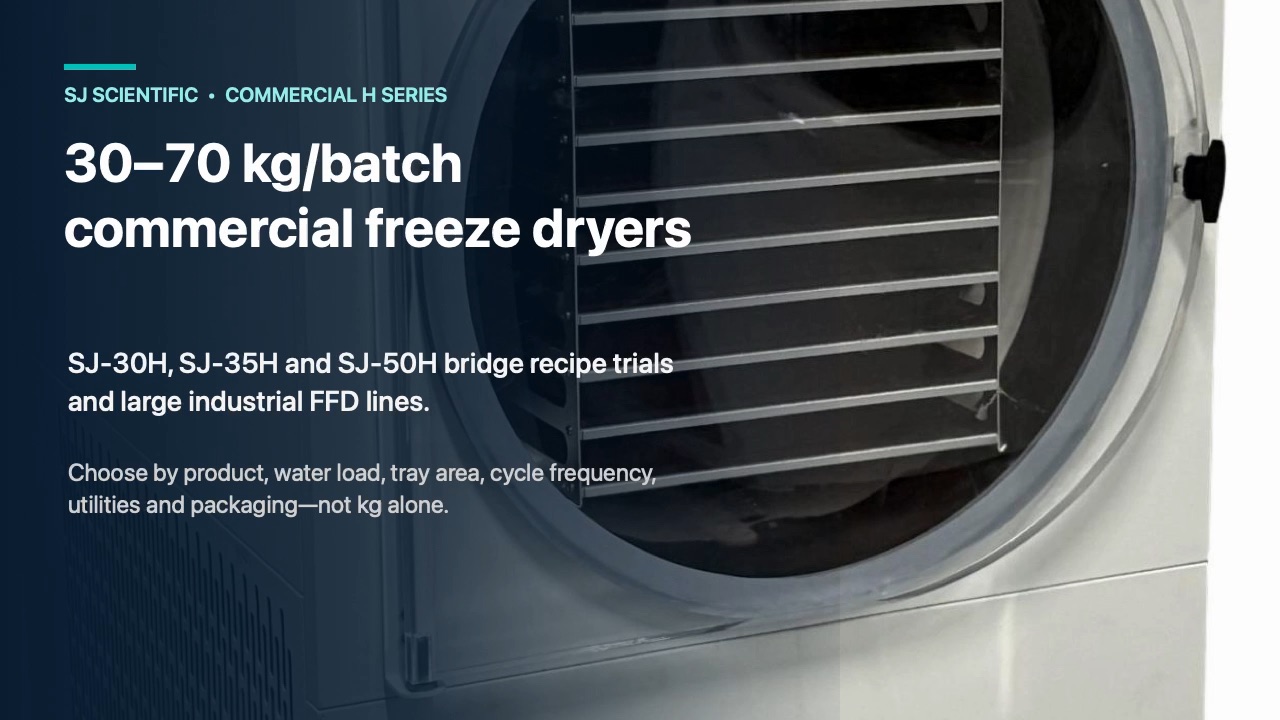
Real bread loading footage on an SJ-50H commercial food freeze dryer, presented with the boundary between a platform reference and a measured product result.
Project configuration at a glance
| Application | Bread loading and commercial food freeze-drying test |
|---|---|
| Equipment platform | SJ-50H / ArcticDry ADT-50C |
| Usable tray area | 4.98 m2 published platform reference |
| Tray arrangement | 18 trays on 9 shelf levels |
| Fresh-load reference | 50-70 kg per batch; not the measured visible load |
| Results not published | Cycle time, final moisture, texture, nutrition, shelf life and saleable yield |
What the public footage establishes
The video identifies the commercial cabinet and shows sliced bread entering its chamber on trays. It is useful evidence for access, tray handling and the application class.
It does not show the complete load map, starting mass, recipe, endpoint or finished package. Those remain necessary before a production statement can be made.
Why bread needs its own loading record
Slice thickness, crumb structure, crust, formulation, initial moisture and tray contact affect freezing and drying. A consistent layer and known kilograms per tray make the next run comparable.
Bread can feel dry at the surface while retaining moisture deeper in the crumb. Use a justified endpoint and product checks rather than appearance alone.
How to interpret the 50-70 kg reference
The published number describes the platform envelope for suitable fresh food under appropriate loading and process conditions. It is not dry output and it is not a guarantee for every bread formulation.
Test the proposed batch against tray area, slice thickness, water removal, condenser duty, full turnaround and packaging capacity.
What to record during the next application test
Record product and formulation identifier, slice dimensions, wet mass per tray, tray positions, pre-freezing condition, recipe version, pressure and temperature trends, endpoint method and finished mass.
Add packaging material, unload-to-seal time and retained-sample observations before deciding whether the recipe is suitable for routine production.
When the test supports an equipment decision
Use measured batches to calculate weekly saleable output and complete turnaround. Compare the ADT-30C, ADT-35C and ADT-50C on the same product basis rather than catalog kilograms alone.
Confirm the exact destination electrical supply, accessories, inspection scope and documentation in the approved order.